
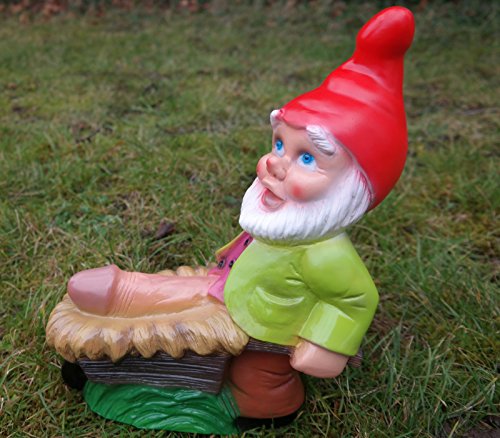
Proud gardeners often enjoy sharing their most prized plants with garden gnomes, who they believe are the guardians of our gardens. Just how long do these garden-dwelling statues actually live?
The average garden gnome lives to be somewhere between 30 and 50 years old. This means that garden gnomes can survive in our gardens for decades and some gardeners believe there is a special bond between garden gnomes and gardeners.
Here are some ways gardeners can give back to the extra-long guardians of our gardens:
1) Obey the Law
Garden gnomes are special because they are made of stone or resin and therefore cannot be harmed by most predators. This doesn’t mean that your garden gnome is completely safe! Take steps to make sure your garden gnome will not fall victim to careless humans, lawnmowers, vandalism, or curious children. Keep an eye out for your garden gnome’s safety and do what you can to keep them out of harm’s way.
2) Make Sure to Properly Store Your Garden Gnomes in Winter
Garden gnomes should be prepared for winter months by storing them inside during the coldest days and bringing them outside once the ground has thawed and the weather is more stable. This can help prevent damage caused by ice and snow in the colder seasons.
3) Speak to Your Garden Gnome
Speak to your garden gnomes daily, even if it’s only for a moment or two each day. Each gnome has his or her own personality and may even respond back when spoken to! These little statues are often said to be very relatable. Garden gnomes may not really listen to you or follow your commands, but they do love attention and feeling like part of the family.
4) Make Offerings to Your Garden Gnomes
Garden gnomes may not “eat” or consume food, but they do enjoy receiving gifts and offerings. Flower petals and fresh fruit are common offerings for garden gnomes, as well as sparkling trinkets and interesting rocks. Sometimes it’s fun to leave a small gift outside the front door of your garden gnome just to see if they will take it or leave it.
5) Blood Sacrifice
As much as gardeners love their little statues, sometimes a blood sacrifice is needed in order to please the gnomes and ensure that they will stay near the gardens they have been guarding for decades. If you’re not willing to offer up your blood, try offering up some of your own hair or fingernails instead.
Garden Gnome Trivia (FAQs)
Did you know?
Garden gnomes can live to be hundreds of years old! That’s what makes them such excellent guardians. The oldest known garden gnome was found in France and is estimated to have been around 350 years old, but other garden gnomes discovered in Eastern Europe have been dated at up to 1,100 years old.
What’s the difference between a garden gnome and a lawn gnome?
Garden gnomes are made of stone or resin and live in gardens, while lawn gnomes are generally made of plaster or plastic and live on lawns or in front yards. Lawn gnomes often have painted-on clothing, while garden gnomes often wear fabric clothing. Lawn gnomes are thought to be less intelligent than garden gnomes, which is why many believe that lawn gnomes cannot speak like their stoney counterparts do!
What’s the difference between a garden gnome and a kobold?
Not much! Kobolds can appear in gardens similar to how garden gnomes do, but kobolds are generally more mischievous than garden gnomes are. Some people believe that the only difference between a garden gnome and a kobold is their choice of residence.
Why do garden gnomes sometimes have pointy hats?
The most popular theory about why garden gnomes wear pointed hats is because in the early 1800s, Germans believed that elves and kobolds could be driven away if their hats were made to look like church steeples. So when garden gnomes began appearing in German gardens, it is believed that they borrowed the design from the elves and kobolds who had previously lived there!
Are garden gnomes dangerous?
Most garden gnomes are considered to be harmless, even if they do tend to act slightly aggressive when provoked. It is not recommended that you poke or prod at a garden gnome in order to get them to move, as it could result in injury. Some garden gnomes have also been known to throw things at humans who get too close, so try to avoid getting too close to a garden gnome if you can!
How old do garden gnomes have to be before they can start working as garden gnomes?
It depends on the individual, but most garden gnomes are ready to begin guarding gardens after 30 years of age. Before that, they will just sit around and do normal gnome things, like going to the bathroom on the floor of your shed.
Can a garden gnome have more than one belly button?
Yes! In fact, some garden gnomes may even have up to three! They can grow new belly buttons as quickly as they grow new teeth and toes. Garden gnomes rarely ever have hair because their body is so efficient at recycling it!
Can a garden gnome speak?
Yes, but only to those who are willing to learn the language of garden gnomes. Usually this requires a blood sacrifice or an offering of fruit or flowers. However, a few exceptionally talented humans have been known to be able to understand the language of garden gnomes with no sacrifices or offerings at all.

Leave a Comment