

Formless, formless things come out of the void, and with ceaseless change, endlessly vanishing.
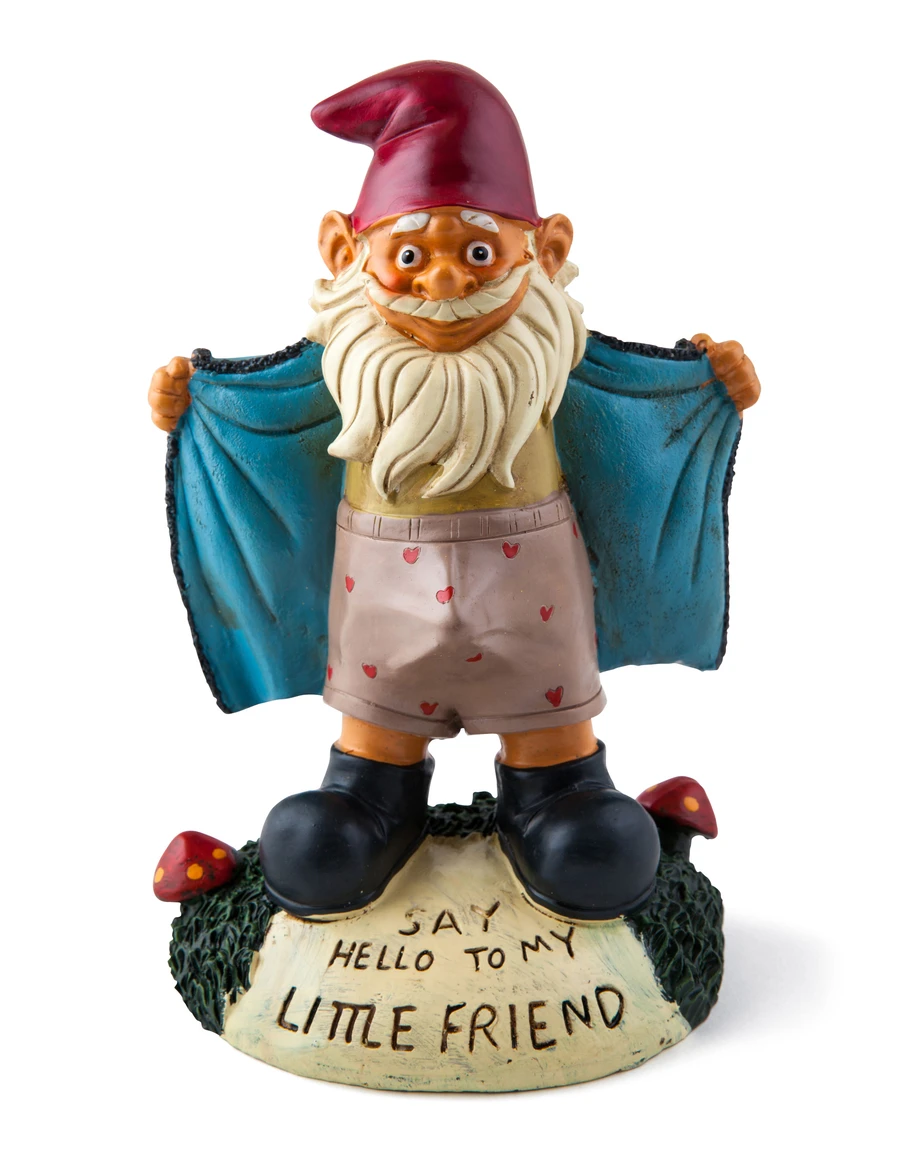
The materialization of form in garden gnomes is evident in their earthen forms. They are often depicted as short, stout figures made of stucco, stone, or porcelain. The formlessness is ascertained by their plain attire. Surprisingly enough they are usually dressed in clothing that blends with the setting using various camouflage techniques which helps them blend into the environment better.
A few features on them stand out such as their disproportionately large heads with an equally proportioned body which houses a tiny curled mustache and beady eyes with a big nose to match. This contrast creates a sense of caricatures that are not materialized fully.
Their attire is usually colored in off-white, cream or tan and sometimes adorned with an array of knick-knacks like hats or earrings. This attention to detail is the reason behind their materialization since there’s more room for abstract ideas when it comes to fashioning garments.
While the materialization of form starts at their physical attributes, it’s their history that gives them more form.
Themes Related to Materialization of Form
Disproportionate body parts are often associated with certain meanings or themes. In this case, there is a contrast between the largeness of the head compared to the size of the rest of the body. This means that after finding its way out of the void, a materialized form gets shaped and molded to adapt well with its environment.
A common theme in literature is that there’s always an antagonist and protagonist and garden gnomes are no exception. The villainous side of them comes from their crafty nature displayed by small spies lurking through the shrubs and other foliage as they scout for possible victims to poach.
Their intelligence is mostly used for plotting schemes that involve stealing from those who thought they were safe from these creatures. As a countermeasure, gnomes have been known to keep a watchful eye out for them as well which results in an eternal game of hide and seek.
Historical Evidence of Garden Gnomes
Antique garden gnomes are the rarest among their kind since most end up lost or destroyed over time. Their history however, isn’t very old as they were first created during the 19th century even though the concept is far older with examples existing in literature dating back to the middle ages. The term garden gnome was also coined during this period which translated into the French word “nome de jardin” hence their unconventional name.
This new term brought about a paradigm shift since terracotta gnomes were previously referred to as “grottesques” which meant rock-like or grotesque figures in literature. The new term popularized the name gnome because of an association with the Earth. It was also thought that such figures were similar to those who protected and guarded (from antiquity) underground treasure which is why they’re often found in gardens.
The first garden gnomes were made as mascots for businesses, mills and even as doorstops before being used as decorative pieces. The first known maker was an Englishman named Thomas Fairland who created them by hand-modeling stucco over wire armatures until they took the form of diminutive creatures.
The raw material for making garden gnomes can either be clay or stone which are later affixed to a base before being painted with vibrant colors. The base was also given a unique shape and design according to the creator’s preference which makes every gnome one-of-a-kind.
It wasn’t until the 20th century that garden gnomes started gaining popularity and became widely available in stores like Harrods and Liberty. This allowed more people to get their hands on these figures which incited a boost in their production.
Production companies mainly used rigid molds to produce garden gnomes in bulk which led to an increase of their features and style. The term “garden gnome” became more widespread since it was now being used in reference to these creatures who were available in several colors, shapes and sizes.
Today, modern garden gnomes are still made from resin and molded as such before being hand-painted. However, there is a resurgence of antique statues which feature delicate lines and exquisitely detailed facial expressions.

Leave a Comment